The Short Answer
In Ontario, fuel oil tanks fall under the Technical Standards and Safety Authority (TSSA) and Ontario Regulation 213/01. A buried tank you no longer use must be removed — TSSA says within two years of disuse — by a TSSA-registered contractor, with an environmental assessment report, unless TSSA grants a variance to leave it in place. A basement (aboveground) tank has no fixed replacement age while it is not leaking, but most homeowners remove it when they switch to a heat pump. Cost depends on where the tank is, how easy it is to reach, how much oil is left and whether any soil work is needed. Dtech arranges oil tank removal through a TSSA-registered fuel oil contractor as part of its oil-to-heat-pump conversions.
Oil tank questions tend to arrive all at once: an insurer asks how old the tank is, a fuel supplier flags it at inspection, a buyer's home inspector writes it up, or you decide to replace the oil furnace with a heat pump. This guide sets out what Ontario's rules actually say, using the regulation itself and TSSA's own guidance, so you can plan the removal without guesswork.
Does an Old Oil Tank Have to Be Removed in Ontario?
It depends on what kind of tank you have. Ontario Regulation 213/01 (Fuel Oil) defines two types:
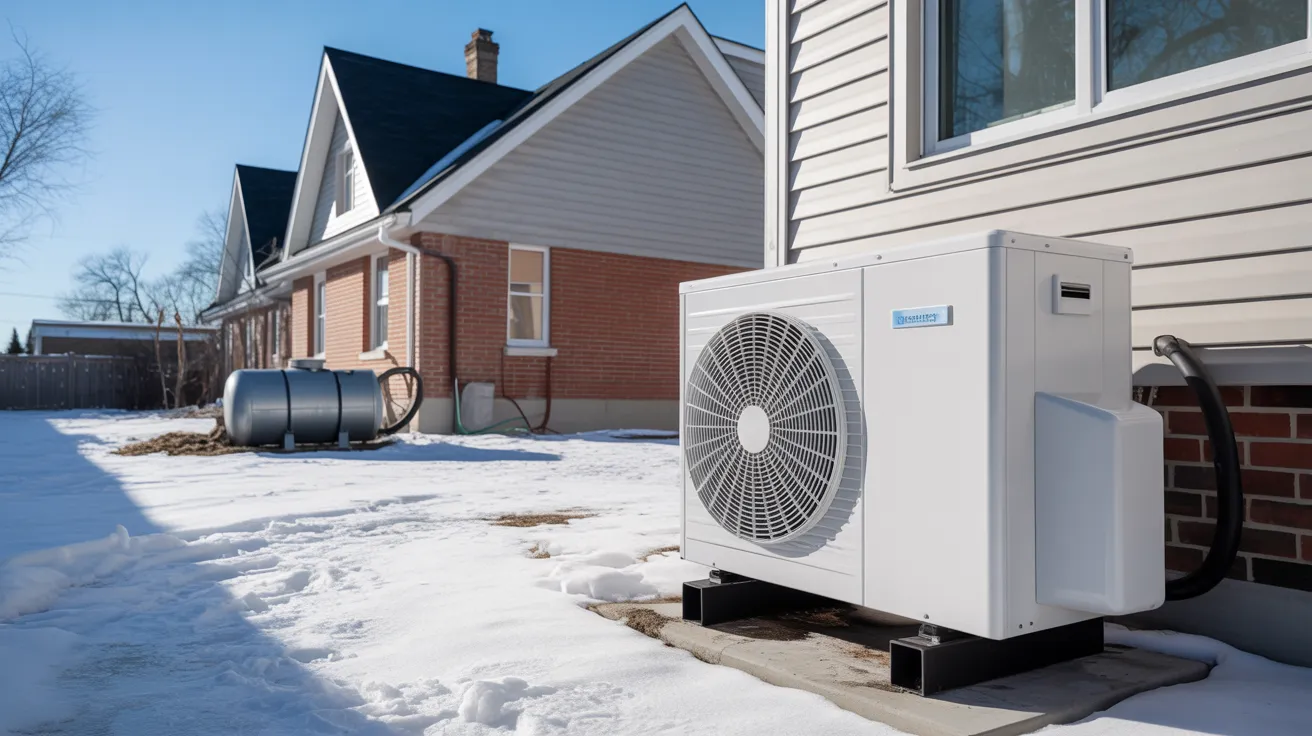
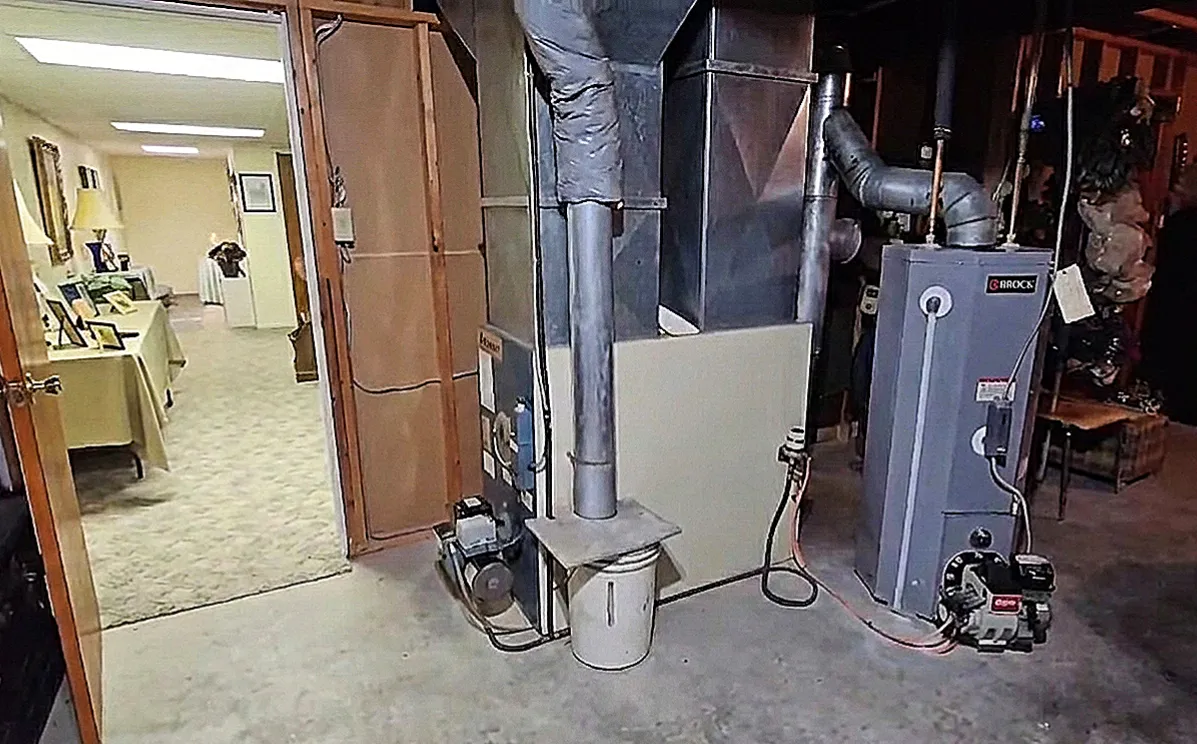
- Aboveground tank: installed at or above grade inside a building or within secondary containment — the typical basement or garage tank in an Ottawa home.
- Underground tank: a buried or partially buried tank in direct contact with earth or backfill — more common on older rural properties.
Buried tanks. TSSA's storage-tank FAQ is direct: "Ontario regulations require you to remove an unused underground storage tank." Its environmental services page adds that, under the Fuel Oil Code, underground storage tanks must be removed within two years of disuse. If removal is not practical, TSSA may issue a variance that lets the tank be abandoned in the ground, but you must apply for it and submit an Environmental Assessment Report.
Basement tanks. TSSA's fuels FAQ says there is no age at which an approved aboveground tank must be replaced, as long as it is not leaking. In practice, basement tanks come out for other reasons: the home is converting to a heat pump or gas, the tank fails a fuel supplier's inspection, or an insurer or buyer asks for it. Under the regulation, a distributor may only fill a tank system it is satisfied complies, and must have inspected the installation within the previous 10 years (or under an approved inspection program). A tank that fails can be cut off from deliveries.
Who Is Allowed to Remove an Oil Tank?
Not a homeowner with a pump and a pickup truck. Section 4 of O. Reg. 213/01 says no one may remove equipment used for fuel oil unless they hold the right certificate, and it states that a Petroleum Equipment Mechanic certificate holder may install or remove underground and aboveground tanks of any capacity. Section 15 adds that anyone acting as a contractor must be registered. TSSA's advice before you hire anyone is simple: ask for the contractor's TSSA registration number.
There are good practical reasons too. A tank still holds oil and sludge after the burner stops; cutting or tipping it without the right equipment can spill product into a basement drain or a garden. A spill can then turn a removal into a clean-up — and TSSA notes that owners are responsible for the cost of cleaning up contamination.
Basement Tank vs Buried Tank at a Glance
| Question | Basement / aboveground tank | Buried / underground tank |
|---|---|---|
| Must it come out? | No fixed age limit while it is approved and not leaking | Yes, once unused — TSSA cites two years of disuse |
| Who removes it? | A certified, registered fuel oil contractor | A TSSA-registered petroleum contractor |
| Extra paperwork | Usually none, beyond the contractor records | Environmental Assessment Report; a variance if abandoning in place |
| Typical disruption | Indoor work, often the same day as furnace removal | Excavation, backfill and yard restoration |
| Biggest cost drivers | Access, leftover oil, fill and vent pipes | Digging, soil testing, any contamination clean-up |
What Drives Oil Tank Removal Cost in Ottawa?
There is no single price for oil tank removal, because the work varies so much from one property to the next. These are the factors that move a quote up or down:
- Where the tank sits. A tank beside a basement walkout is far simpler than one behind a finished wall or at the bottom of a narrow staircase, where it may have to be cleaned and cut before it can come out.
- How much oil is left. Remaining fuel and sludge must be pumped out and disposed of properly. Running the tank low before removal day helps.
- Fill and vent pipes. The outside fill and vent pipes should be removed or permanently capped so oil can never be delivered to a pipe with no tank behind it.
- Buried tanks. Locating, excavating, removing, backfilling and restoring the yard, plus the environmental assessment TSSA requires.
- Soil condition. If testing finds contamination, clean-up becomes its own project, and its cost depends on how far the oil has travelled.
- What else is being done. When the tank comes out as part of a heating conversion, the work is shared with removing the old furnace or boiler and the oil lines, rather than booked as a separate trip.
At Dtech, tank removal is arranged through a TSSA-registered fuel oil contractor as part of every oil-to-heat-pump conversion we quote, and shown as its own line so you can see what you are paying for. For a stand-alone removal or a buried tank, the job is priced after a site visit, because the factors above cannot be judged from a phone call.
How Long Does Oil Tank Removal Take?
For a basement tank removed during a conversion, the tank comes out as part of the project, and a complete oil-to-heat-pump conversion typically takes one to three days. A buried tank takes longer to organize than to remove. Here is the usual sequence:
- Site visit and written quote — tank type, size, access, pipe locations and any signs of leakage.
- Scheduling — for buried tanks, utility locates are arranged before anyone digs.
- Pump-out — remaining oil and sludge are removed for proper disposal.
- Disconnection and removal — oil lines disconnected, the tank removed, fill and vent pipes taken out or capped.
- Paperwork — for underground tanks, the Environmental Assessment Report under TSSA's Environmental Management Protocol.
- Close-out — cancel your fuel supplier's account, update your home insurer, and keep the contractor's records with your house documents.
What If Oil Has Leaked?
Signs include a strong oil smell, staining under the tank, a sudden jump in consumption, or an oily sheen in the soil near a buried tank. TSSA's advice is to call a TSSA-registered contractor to find and stop the leak, and to report a spill to Ontario's Spills Action Centre at 1-866-663-8477. Do not try to empty or move a leaking tank yourself. If you live in a home with a well, tell the contractor; it affects how urgently the site needs to be assessed.
Removing the Tank as Part of a Heat Pump Conversion
For many Ottawa households, the tank question is really a heating question. Replacing an oil furnace or boiler with a cold-climate heat pump ends fuel deliveries, adds air conditioning and removes the tank in the same project. Two programs can help with the cost:
- Ontario's Home Renovation Savings Program lists up to $7,500 for a cold-climate air-source heat pump, based on the size installed, and oil-heated homes are among those that can apply.
- Canada's National Heat Pump Rebate lists heating oil as an eligible starting system and pays $2,000, or up to $10,000 for households at or below the median after-tax income. Heat pumps installed on or after November 1, 2026 may qualify once the portal opens in early 2027. Addresses that already received Oil to Heat Pump Affordability or Canada Greener Homes Grant funding for a heat pump are excluded.
The rebates pay toward the heat pump, not the tank. Canada.ca asks for receipts for all costs claimed, including directly related work such as ductwork and electrical upgrades; it does not list tank removal specifically, so keep it as a separate line on your invoice. Our National Heat Pump Rebate guide covers the income limits and deadlines, and our oil-to-heat-pump conversion guide walks through the rest of the project. You can also see real conversions, including an oil-to-electric conversion that reused existing ductwork and one with a new attic air handler and custom ducts.
Checklist Before You Book
- Identify the tank. Basement or buried? The label or your fuel supplier's records usually show its age and size.
- Find the fill and vent pipes outside the house, so they can be removed or capped.
- Check your home insurance policy for anything it says about oil tanks.
- Gather a year of oil delivery bills — useful for sizing a replacement heating system and estimating savings.
- Ask for TSSA registration numbers from every contractor who quotes.
- Get it in writing: pump-out, removal, disposal, pipe capping and any paperwork should all appear on the quote.
Dtech is a licensed HVAC contractor with TSSA-certified gas technicians, serving Ottawa and the 200 km region, with service in English, French and Russian. If you are ready to retire the oil system, book a free in-home assessment or call (343) 227-3610, and we will show you the conversion, the tank removal and both rebates on one written quote.
Sources
- Ontario Regulation 213/01: Fuel Oil (e-Laws)
- TSSA — FAQs: Storage Tanks
- TSSA — Fuels Safety FAQs
- TSSA — Environmental Services
- Government of Canada — National Heat Pump Rebate
- Save on Energy — Home Renovation Savings Program
Frequently Asked Questions
Do I have to remove an unused oil tank in Ontario?
If it is buried, yes. TSSA says Ontario regulations require you to remove an unused underground storage tank, within two years of disuse, unless TSSA grants a variance to abandon it in place with an Environmental Assessment Report. An approved basement tank that is not leaking has no fixed replacement age.
Can I remove an oil tank myself?
No. Ontario Regulation 213/01 requires anyone removing fuel oil equipment to hold the right certificate, and contractors must be registered. TSSA recommends asking for the contractor's TSSA registration number before any work starts.
How much does oil tank removal cost in Ottawa?
It depends on the tank's location and access, how much oil is left, the fill and vent pipes, and, for buried tanks, excavation, testing and any soil clean-up. Dtech arranges tank removal through a TSSA-registered fuel oil contractor, shows it as a line item in its oil-to-heat-pump conversion quotes, and prices stand-alone or buried removals after a site visit.
How long does oil tank removal take?
A basement tank removed during a heating conversion comes out as part of the project, and a full oil-to-heat-pump conversion typically takes one to three days. Buried tanks take longer because of utility locates, excavation and TSSA's environmental assessment requirements.
What should I do if my oil tank is leaking?
Call a TSSA-registered contractor to find and stop the leak, and report the spill to Ontario's Spills Action Centre at 1-866-663-8477, as TSSA advises. Do not try to empty or move a leaking tank yourself.
Do heat pump rebates cover oil tank removal?
The rebates pay toward the heat pump. Ontario's Home Renovation Savings Program lists up to $7,500 for a cold-climate air-source heat pump, and the federal National Heat Pump Rebate pays $2,000 or up to $10,000. Canada.ca asks for receipts for directly related work such as ductwork and electrical upgrades but does not list tank removal, so keep it as a separate invoice line.