Carbon monoxide (CO) is an odourless, colourless gas that kills over 300 Canadians every year and sends thousands more to the emergency room. In Ottawa, where gas and oil furnaces run for five to six months straight, the risk is real and preventable. This guide explains how CO relates to your furnace, what warning signs to watch for, and the simple steps that can protect your family.
How Your Furnace Produces Carbon Monoxide
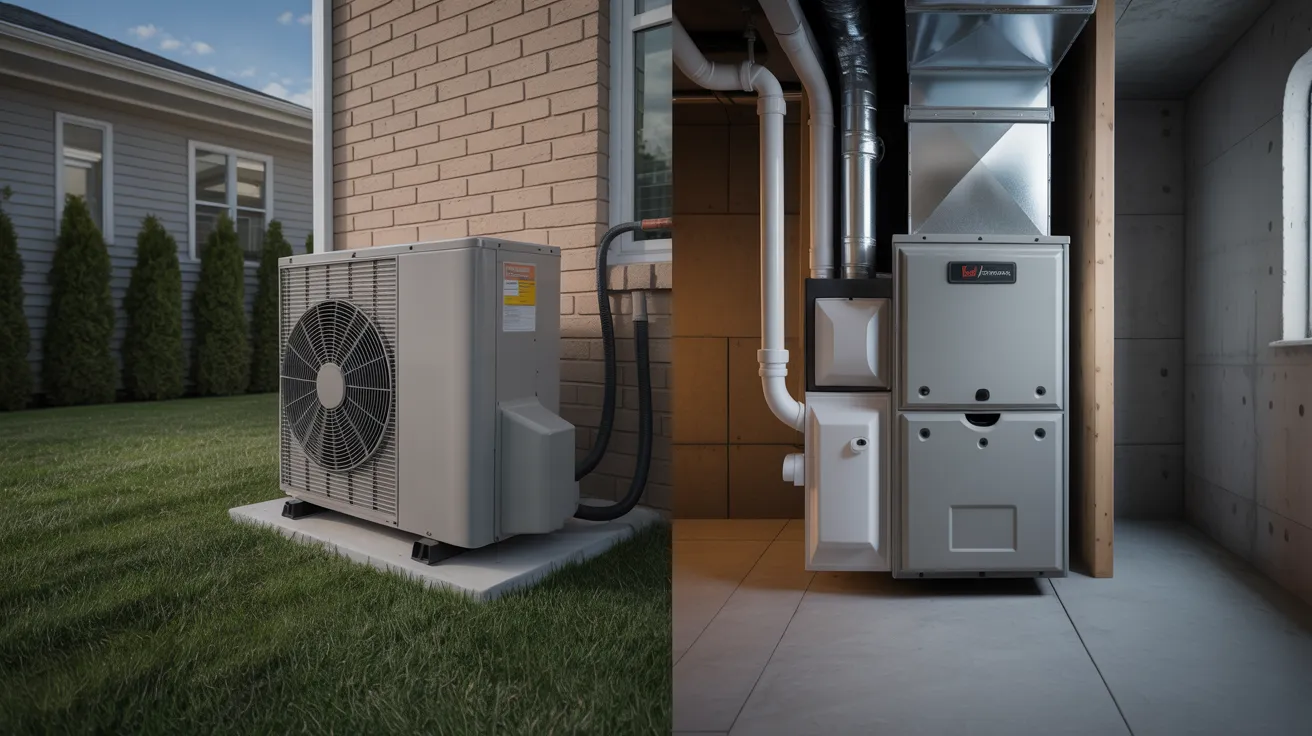
Every gas or oil furnace produces carbon monoxide as a byproduct of combustion. Under normal conditions, this CO is safely vented outside through the flue pipe or chimney. The problem arises when the heat exchanger develops cracks or when the venting system becomes blocked or deteriorated. A cracked heat exchanger allows combustion gases — including CO — to mix with the heated air circulating through your home. A blocked vent can cause exhaust gases to back up into the house. Either scenario can produce dangerous or lethal CO concentrations within hours.
Warning Signs of a Carbon Monoxide Leak
Because CO is invisible and odourless, physical symptoms are often the first indication of a leak. The early symptoms of CO exposure mimic the flu:
- Persistent headaches, especially when you're home
- Dizziness, nausea, or confusion
- Fatigue or drowsiness that improves when you leave the house
- Multiple family members (and pets) feeling ill simultaneously
At higher concentrations, CO exposure causes disorientation, loss of consciousness, and death. If you suspect a CO leak, immediately evacuate the home, call 911, and do not re-enter until emergency services have declared it safe.
Signs Your Furnace May Be Producing CO
Beyond physical symptoms, there are visible signs that your furnace may have a combustion problem:
- Yellow or flickering flame: A healthy gas furnace produces a steady blue flame. A yellow, orange, or flickering flame indicates incomplete combustion.
- Soot or black residue: Soot buildup around the furnace, burner, or vent pipe suggests combustion problems.
- Excessive condensation: Unusual moisture on windows near the furnace or on cold-air return ducts can indicate venting issues.
- Unusual smell: While CO itself is odourless, the byproducts of incomplete combustion can produce a faint, acrid smell.
- Furnace age: Furnaces over 15–20 years old are significantly more likely to develop heat exchanger cracks.
Ontario's CO Detector Law
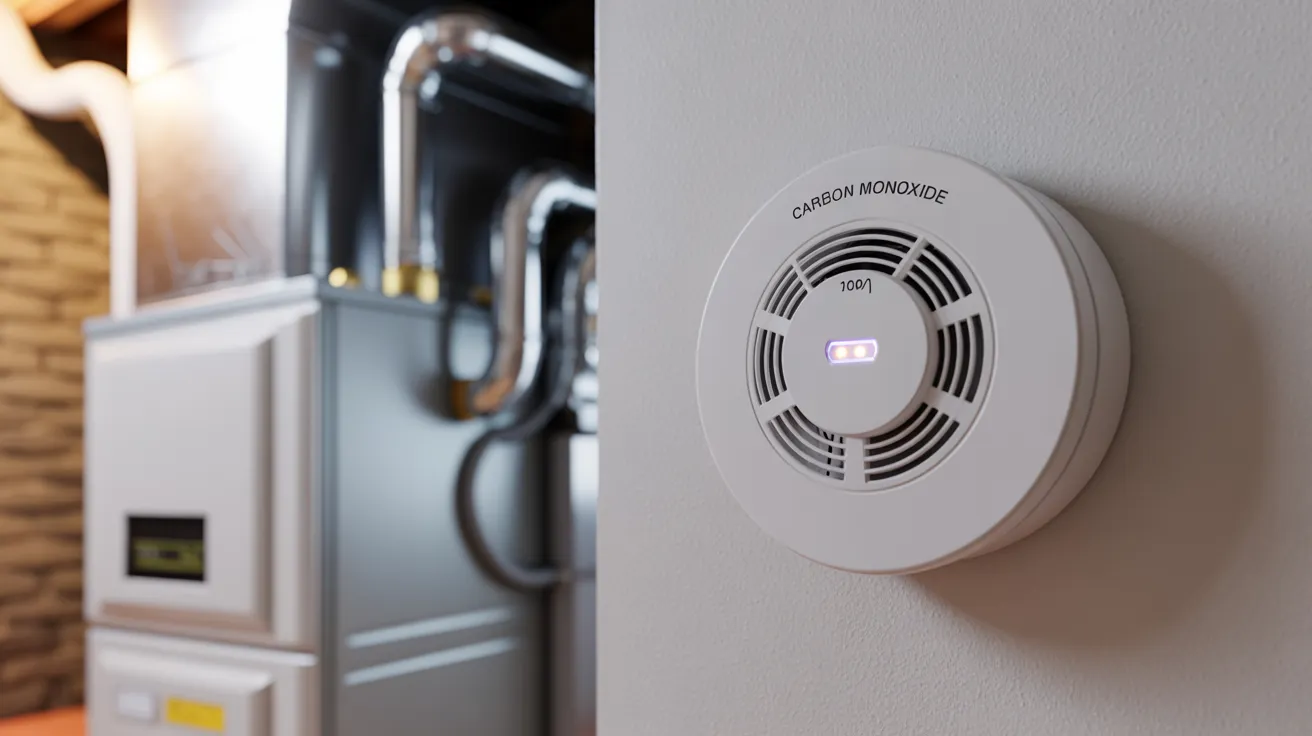
Under Ontario's Hawkins-Gignac Act (2014), every home with a fuel-burning appliance or attached garage is required by law to have working carbon monoxide detectors on every floor, including near sleeping areas. The fine for non-compliance can reach $50,000 for individuals and $100,000 for corporations. CO detectors have a lifespan of 5–7 years and should be replaced after that, even if they still appear to work.
The Importance of Annual Furnace Inspections
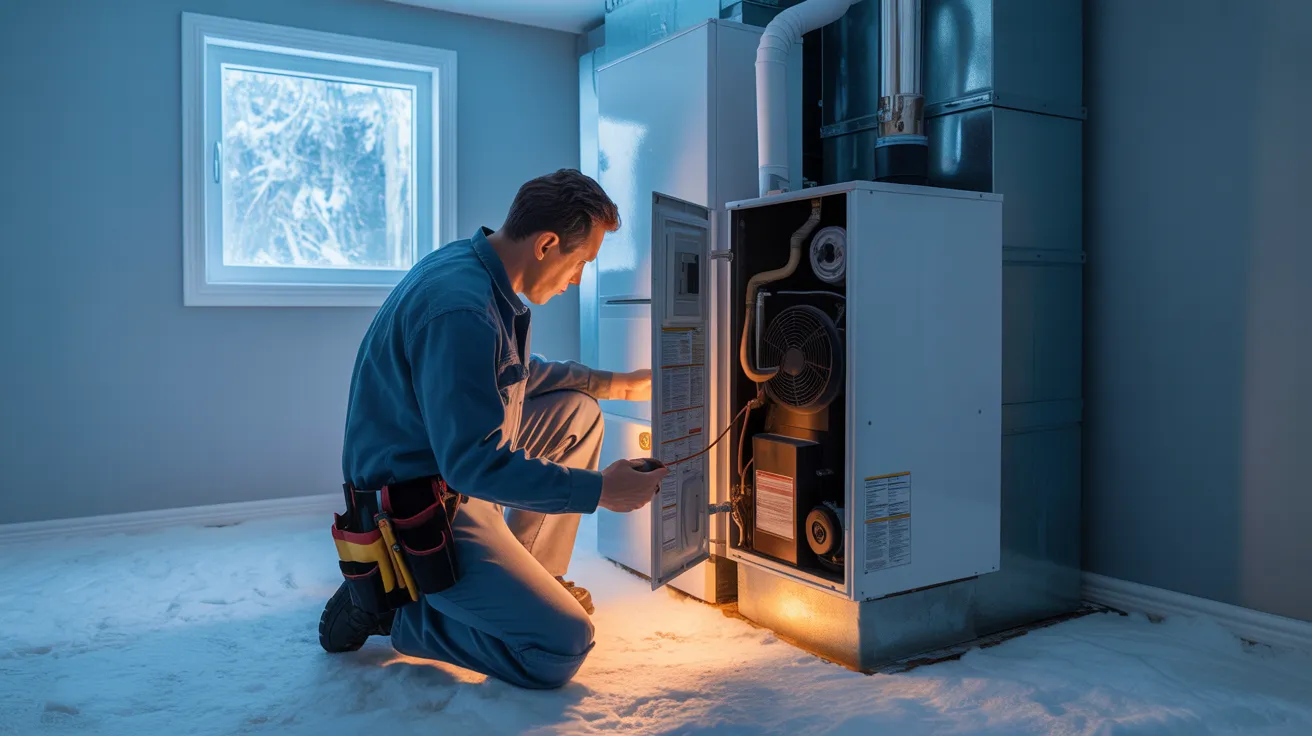
A professional HVAC inspection is the most reliable way to detect furnace-related CO hazards before they become dangerous. During an inspection, a qualified technician will:
- Visually and physically inspect the heat exchanger for cracks or corrosion
- Test combustion efficiency and CO levels at the exhaust
- Check the flue pipe and chimney for blockages, disconnections, or deterioration
- Verify proper draft and ventilation
- Inspect the gas valve, burner assembly, and ignition system
- Test all safety controls and limit switches
This inspection costs $100–$150 and takes about an hour. Given that it can literally save lives, it's the most valuable maintenance appointment you'll schedule all year.
What to Do If Your Heat Exchanger Is Cracked
If an inspection reveals a cracked heat exchanger, the furnace should not be operated until it's repaired or replaced. Heat exchanger replacement on older furnaces often costs $1,500–$3,000 — at which point replacing the entire furnace (which may cost $3,500–$6,500 installed) is usually the better investment, especially if the unit is over 15 years old. A new high-efficiency furnace eliminates the CO risk and reduces your heating costs at the same time.
Protect Your Family Today
Install CO detectors on every level of your home, test them monthly, and replace them every 5–7 years. Schedule an annual furnace inspection before each heating season. And if you notice any of the warning signs listed above, don't wait — call a licensed HVAC professional immediately. Dtech Services offers comprehensive furnace safety inspections for Ottawa and surrounding areas. Contact us today to book yours.