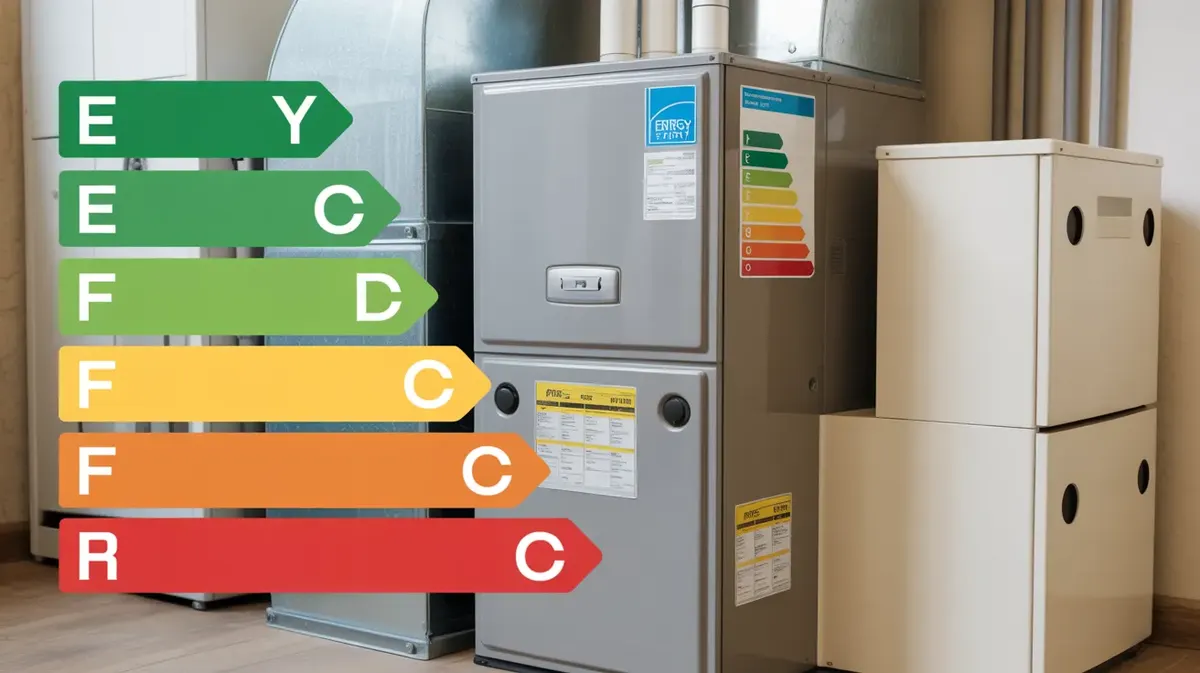
The ENERGY STAR label is your assurance of energy efficiency, but understanding the ratings can be confusing. This guide will help you navigate ENERGY STAR certified HVAC equipment and make an informed purchase decision.
Understanding Efficiency Ratings
SEER2 (Seasonal Energy Efficiency Ratio) measures air conditioning efficiency. ENERGY STAR requires a minimum of 15 SEER2 for central AC units. Higher is better—a 20 SEER2 unit uses about 25% less energy than a 15 SEER2 unit.
HSPF2 (Heating Seasonal Performance Factor) measures heat pump heating efficiency. ENERGY STAR requires a minimum of 8.1 HSPF2. Top models exceed 10 HSPF2.
AFUE (Annual Fuel Utilization Efficiency) measures furnace efficiency. ENERGY STAR requires 95% AFUE or higher, meaning 95% of the fuel becomes heat for your home.
Sizing Matters More Than Ratings
A high-efficiency system that's improperly sized will underperform. Oversized equipment cycles on and off frequently, wasting energy and failing to dehumidify. Undersized equipment runs constantly and can't maintain comfort. Always have a professional perform a load calculation.
Look Beyond the ENERGY STAR Label
While ENERGY STAR certification is important, consider these additional factors:
- Variable-speed technology for better comfort and efficiency
- Quiet operation ratings (measured in decibels)
- Warranty coverage on parts and compressor
- Smart thermostat compatibility
Rebate Eligibility
Most rebate programs require ENERGY STAR certification as a minimum. However, some programs offer higher rebates for equipment that exceeds ENERGY STAR minimums. Check with your utility and Dtech Services for current rebate requirements.
Total Cost of Ownership
When comparing equipment, consider the total cost over the system's 15-20 year lifespan. A more efficient system may cost more upfront but save thousands in energy costs over time. We can help you calculate the true cost of ownership for different options.