Modern homes are built tight for energy efficiency, but that tightness comes at a cost: stale, polluted indoor air. Cooking fumes, moisture from showers, VOCs from furniture, and CO₂ from breathing all accumulate when fresh air can't get in. The solution? Mechanical ventilation—specifically, an HRV or ERV system. But which one is right for your Ottawa home?
What is an HRV?
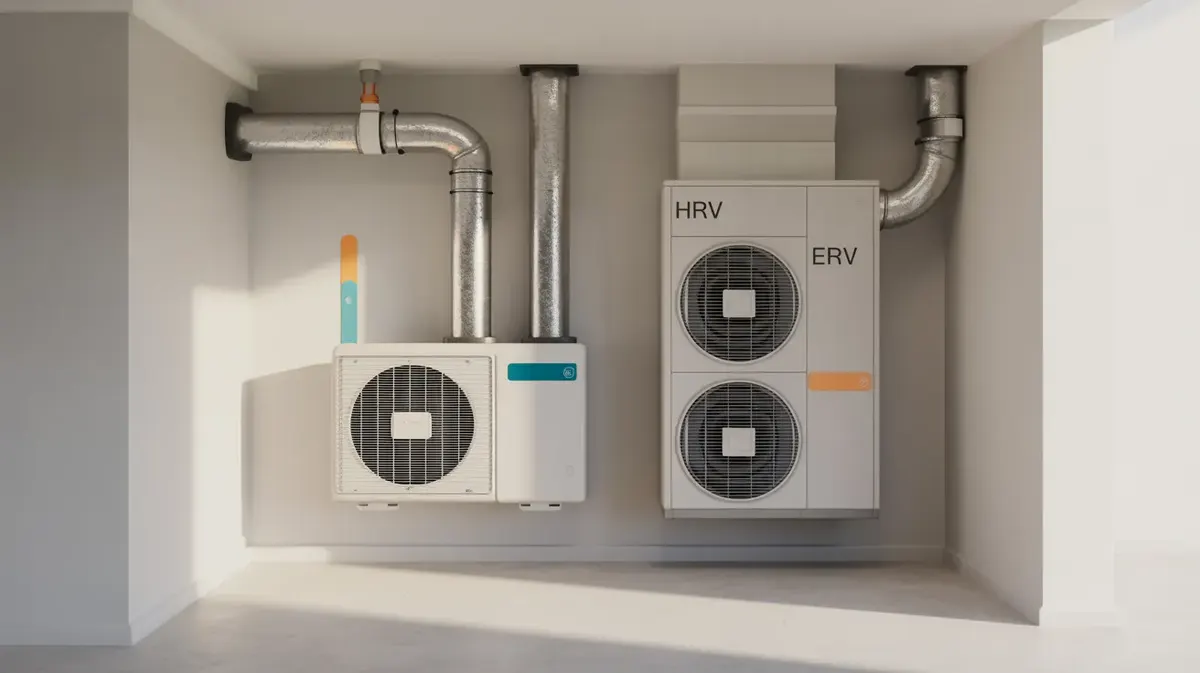
A Heat Recovery Ventilator (HRV) exchanges stale indoor air with fresh outdoor air while recovering heat from the outgoing air stream. In Ottawa's -25°C winters, an HRV can recover up to 85% of the heat that would otherwise be lost when ventilating your home. HRVs transfer heat only—not moisture.
What is an ERV?
An Energy Recovery Ventilator (ERV) does everything an HRV does, plus it also transfers moisture between the air streams. In winter, it retains some indoor humidity. In summer, it reduces incoming humidity. ERVs transfer both sensible heat and latent heat (moisture).
Key Differences: HRV vs. ERV
| Feature | HRV | ERV |
|---|---|---|
| Heat Recovery | ✅ Yes (up to 85%) | ✅ Yes (up to 80%) |
| Moisture Transfer | ❌ No | ✅ Yes |
| Best Season Advantage | Winter (removes excess humidity) | Year-round (balances humidity) |
| Frost Protection | Required in Ottawa (defrost cycles) | Less prone to frosting |
| Typical Cost (installed) | $2,500 – $5,000 | $3,000 – $6,000 |
Which is Better for Ottawa?
The answer depends on your home's specific moisture dynamics:
Choose an HRV If:
- Your home tends to be too humid in winter (condensation on windows, moisture on cold surfaces)
- You have a large household producing significant moisture (many occupants, frequent cooking, multiple daily showers)
- Your basement has moisture issues
- You want to actively reduce indoor humidity during the heating season
Choose an ERV If:
- Your home tends to be too dry in winter (dry skin, nosebleeds, static electricity, cracking hardwood)
- You already use a humidifier and want to retain that added moisture
- You want better summer humidity management (the ERV reduces incoming humid air)
- You have a smaller household with fewer internal moisture sources
The Ottawa Reality
For most Ottawa homes, HRVs are the more popular choice. Ottawa's long, cold winters combined with tight building envelopes often create excess indoor humidity. An HRV effectively removes this excess moisture while recovering heat. However, newer homes with spray-foam insulation and very tight air sealing may actually be too dry in winter, making an ERV the better option.
Installation Considerations
Both HRV and ERV systems integrate with your existing ductwork or can be installed as standalone systems with dedicated ductwork. Key installation considerations include:
- Capacity: Sized based on home square footage and number of occupants. Typical residential units range from 100–200 CFM.
- Ductwork: Dedicated ductwork to bedrooms and living areas with exhaust from bathrooms and kitchens provides the best performance.
- Controls: Timer controls, humidity sensors, and boost modes for high-moisture activities (showers, cooking).
- Maintenance: Filters should be cleaned every 2–3 months. The heat exchange core should be cleaned 1–2 times per year.
Rebates for HRV/ERV Installation
HRV and ERV installations may qualify for rebates under the Home Renovation Savings Program when combined with other efficiency upgrades. An EnerGuide evaluation can identify all qualifying improvements for your home.
Get Expert Advice
Not sure which system is right for your home? Dtech Services installs and services both HRV and ERV systems across Ottawa. Contact us for a free consultation—we'll assess your home's ventilation needs and recommend the right solution.