According to Health Canada, Canadians spend approximately 90% of their time indoors. Indoor air can be 2–5 times more polluted than outdoor air, containing a mix of dust, pet dander, volatile organic compounds (VOCs), mould spores, and other contaminants. For Ottawa homeowners, where windows stay sealed for months during winter, indoor air quality (IAQ) deserves serious attention.
Common Indoor Air Pollutants in Ottawa Homes
Understanding what you're dealing with is the first step to improvement:
- Dust and dust mites: Accumulate in carpets, upholstery, and ductwork. A major allergen trigger.
- Pet dander: Microscopic skin particles from pets become airborne and circulate through your HVAC system.
- Mould spores: Ottawa's humidity in summer and condensation issues in winter create conditions for mould growth, especially in basements and bathrooms.
- VOCs: Volatile Organic Compounds are released from paint, cleaning products, new furniture, and building materials. They can cause headaches, eye irritation, and respiratory issues.
- Carbon monoxide: A silent danger from gas appliances, attached garages, and poorly vented heating equipment.
- Radon: Ottawa is in a moderate-to-high radon risk zone. This radioactive gas seeps through foundation cracks and is the second leading cause of lung cancer in Canada.
Upgrade Your HVAC Filtration
Your furnace filter is your first line of defence. Here's what to know about filter upgrades:
- MERV 8: Standard filters that capture most large particles. Adequate for homes without allergy concerns.
- MERV 11–13: Captures smaller particles including mould spores, pet dander, and some bacteria. Recommended for most Ottawa homes.
- HEPA (MERV 17+): Captures 99.97% of particles down to 0.3 microns. Requires a bypass HEPA system as most furnaces can't handle the airflow restriction of a true HEPA filter.
Important: Using a filter that's too restrictive for your furnace can reduce airflow and damage the blower motor. Always consult with an HVAC professional before upgrading filter ratings.
Install an HRV or ERV System
Heat Recovery Ventilators (HRVs) and Energy Recovery Ventilators (ERVs) are designed to bring fresh outdoor air into your home while recovering up to 85% of the heat from the outgoing stale air. For Ottawa's climate, where opening windows isn't practical for 5–6 months, an HRV or ERV is one of the most effective IAQ improvements you can make.
HRVs are generally recommended for Ottawa's dry winters, while ERVs also transfer moisture, which can be beneficial in summer when outdoor humidity is high.
Consider UV Air Purification
UV-C germicidal lights installed inside your ductwork or near the evaporator coil neutralize bacteria, viruses, and mould spores as air passes through. They're especially effective at preventing mould growth on the evaporator coil—a common source of musty odours from air conditioning systems.
Control Humidity Levels
The ideal indoor humidity for health and comfort is 30–50%. In Ottawa:
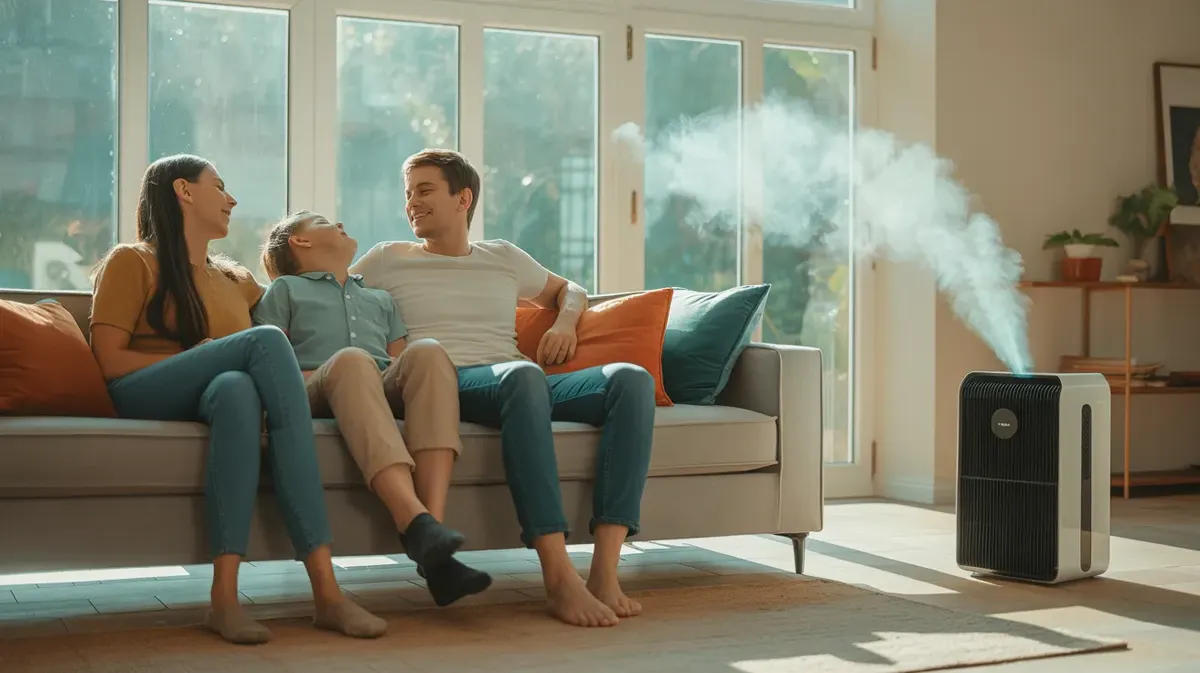
- Winter: Indoor air is often too dry (below 30%). A whole-home humidifier attached to your furnace adds moisture to prevent dry skin, cracked lips, static shocks, and respiratory irritation.
- Summer: Humidity above 50% promotes mould growth and dust mites. Your AC should handle dehumidification, but a standalone dehumidifier may be needed in basements.
Test for Radon
Health Canada recommends every Canadian home be tested for radon. Long-term test kits (available for under $50) should be placed in the lowest lived-in area of your home during fall or winter. If levels exceed 200 Bq/m³, professional radon mitigation is recommended.
Professional Indoor Air Quality Assessment
Dtech Services offers comprehensive IAQ solutions for Ottawa homes, including HRV/ERV installation, air filtration upgrades, humidity control, and duct cleaning. Contact us for a free consultation to improve the air your family breathes every day.