The average Ottawa household spends $2,500–$4,000 on heating every winter. With natural gas prices rising and electricity rates following Ontario's time-of-use structure, even small improvements in efficiency can save you hundreds of dollars per season. Here are ten proven strategies, ranked from quick wins to bigger investments, that will make a real difference.
1. Program Your Thermostat Properly
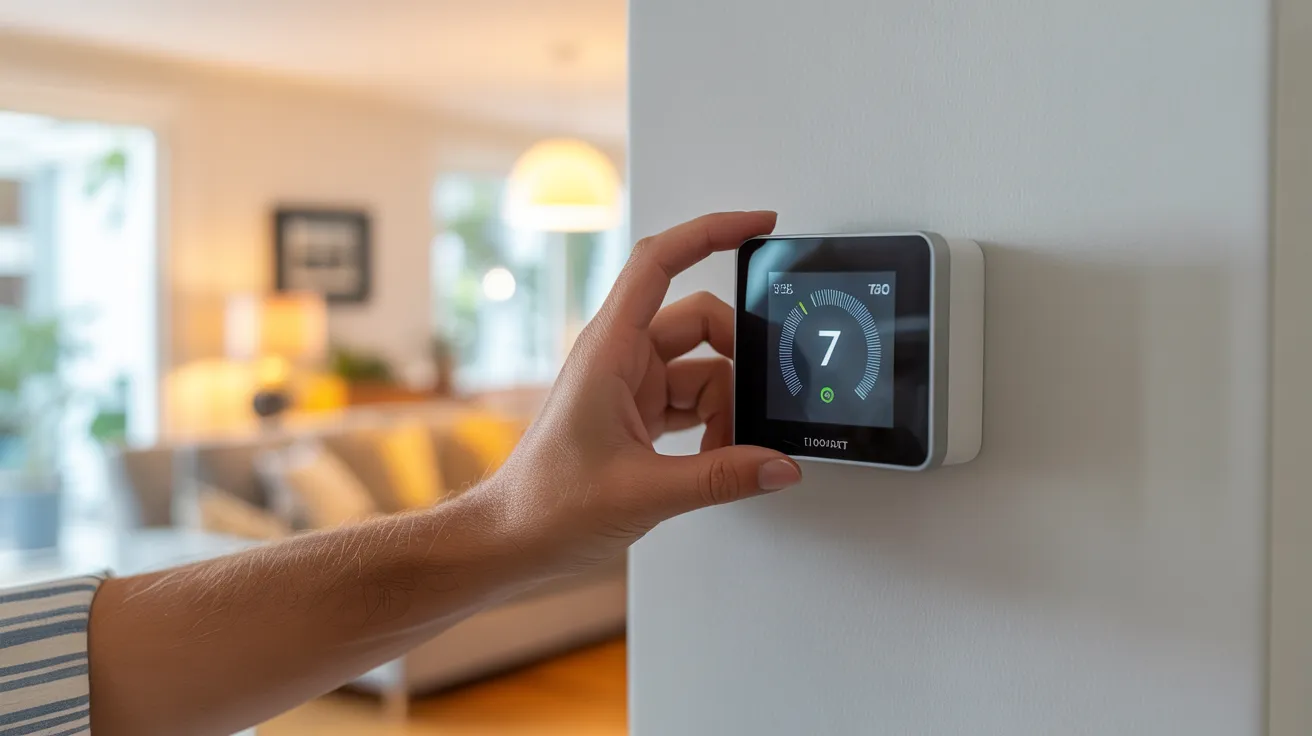
Lowering your thermostat by just 2°C while you're sleeping or away from home can reduce your heating bill by up to 5%. If you don't already have a programmable or smart thermostat, this is the single best $150–$300 investment you can make. Smart thermostats like the Ecobee (a Canadian company, by the way) learn your schedule and adjust automatically, and they can save 15–20% on heating costs annually.
2. Seal Air Leaks Around Windows and Doors
Air leaks account for 25–40% of heat loss in a typical Ottawa home. Check around windows, doors, electrical outlets, and where pipes enter walls. Apply weatherstripping around doors and caulk gaps around window frames. A tube of caulk costs under $10 and can be applied in an afternoon. For larger gaps, expanding foam sealant works well. This single step can reduce your heating costs by 10–15%.
3. Upgrade Your Attic Insulation
Heat rises, and in many Ottawa homes — especially those built before 1990 — the attic is the biggest source of heat loss. Natural Resources Canada recommends R-50 to R-60 insulation in Ottawa's climate zone. If your attic has less than 10–12 inches of insulation, it's likely underperforming. Adding blown-in cellulose or fibreglass insulation costs $1,500–$3,500 for a typical attic and can cut heating costs by 15–25%. Better yet, attic insulation upgrades qualify for rebates of up to $1,800.
4. Change Your Furnace Filter Regularly
A dirty furnace filter restricts airflow, forcing your system to work harder and consume more energy. During peak heating season in Ottawa (December–February), check your filter monthly and replace it at least every 90 days. For homes with pets or allergies, every 30–60 days is better. A clean filter can improve furnace efficiency by 5–15% and costs as little as $5–$15.
5. Use Ceiling Fans in Reverse
Most ceiling fans have a reverse switch that makes the blades spin clockwise at a low speed. This pushes warm air that collects near the ceiling back down into the room without creating a noticeable breeze. It's a free way to improve comfort and can reduce thermostat usage by 1–2°C.
6. Schedule an Annual Furnace Tune-Up
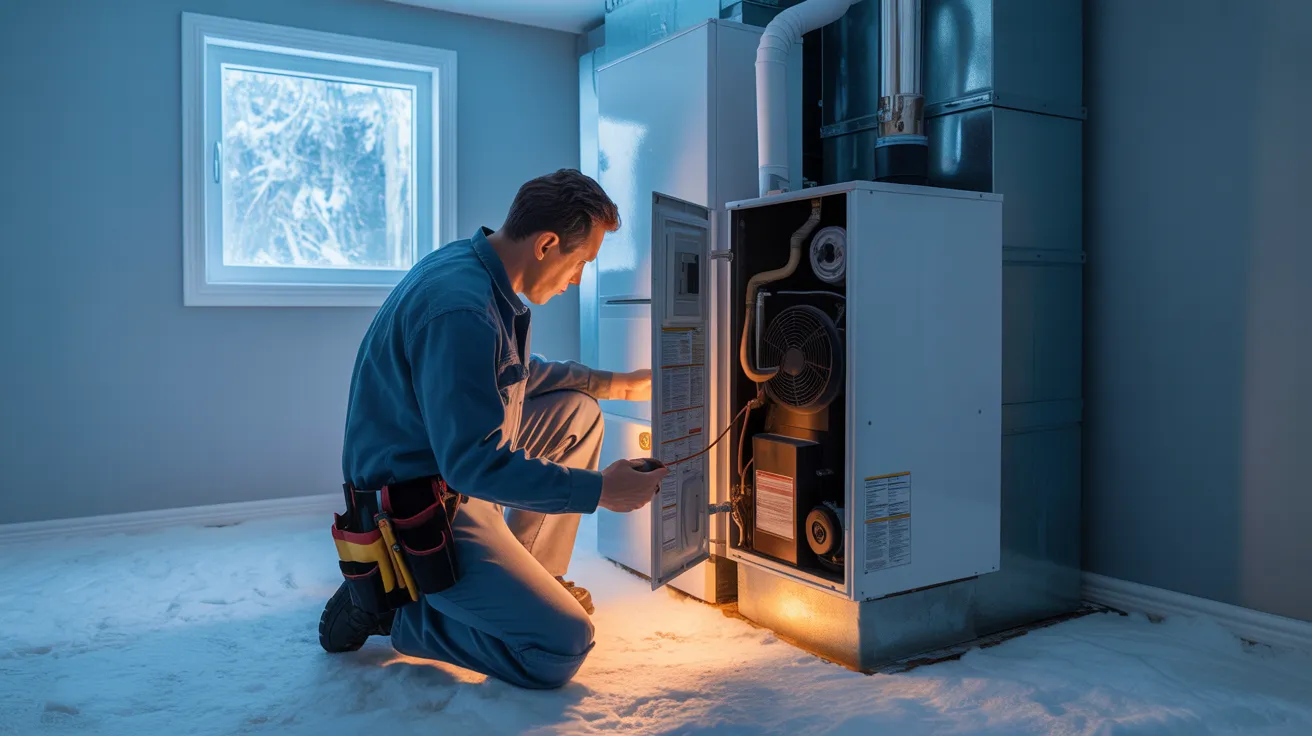
A professional furnace tune-up costs $100–$150 and can improve system efficiency by 5–10%. The technician will clean burners, check the heat exchanger, calibrate the thermostat, and ensure the system is operating safely. An unmaintained furnace loses efficiency every year — after 5 years without service, you could be paying 20–30% more than necessary to heat your home.
7. Insulate Exposed Basement Walls and Rim Joists
If your basement feels cold, the heat loss isn't just uncomfortable — it's costing you money. Uninsulated basement walls and rim joists (the area where the foundation meets the framing) are major thermal weak points. Rigid foam insulation on basement walls and spray foam on rim joists can reduce basement heat loss by 50% or more.
8. Take Advantage of Ontario's Time-of-Use Rates
If you heat with electricity (heat pump, baseboard, or space heaters), shifting heavy energy use to off-peak hours (7 PM–7 AM weekdays, all day weekends and holidays) can save 30–50% on electricity costs. Program your heat pump or electric heating to pre-heat your home during off-peak hours and coast during on-peak periods.
9. Upgrade to a High-Efficiency Furnace
If your gas furnace is more than 15 years old, it's likely operating at 78–82% AFUE (Annual Fuel Utilization Efficiency). Modern high-efficiency furnaces achieve 96–98% AFUE, meaning nearly all the gas you pay for becomes heat. Upgrading from an 80% furnace to a 96% model in Ottawa can save $400–$700 per year on gas bills. Combined with available rebates ($250–$800), the payback period is typically 5–7 years.
10. Consider a Hybrid Heating System
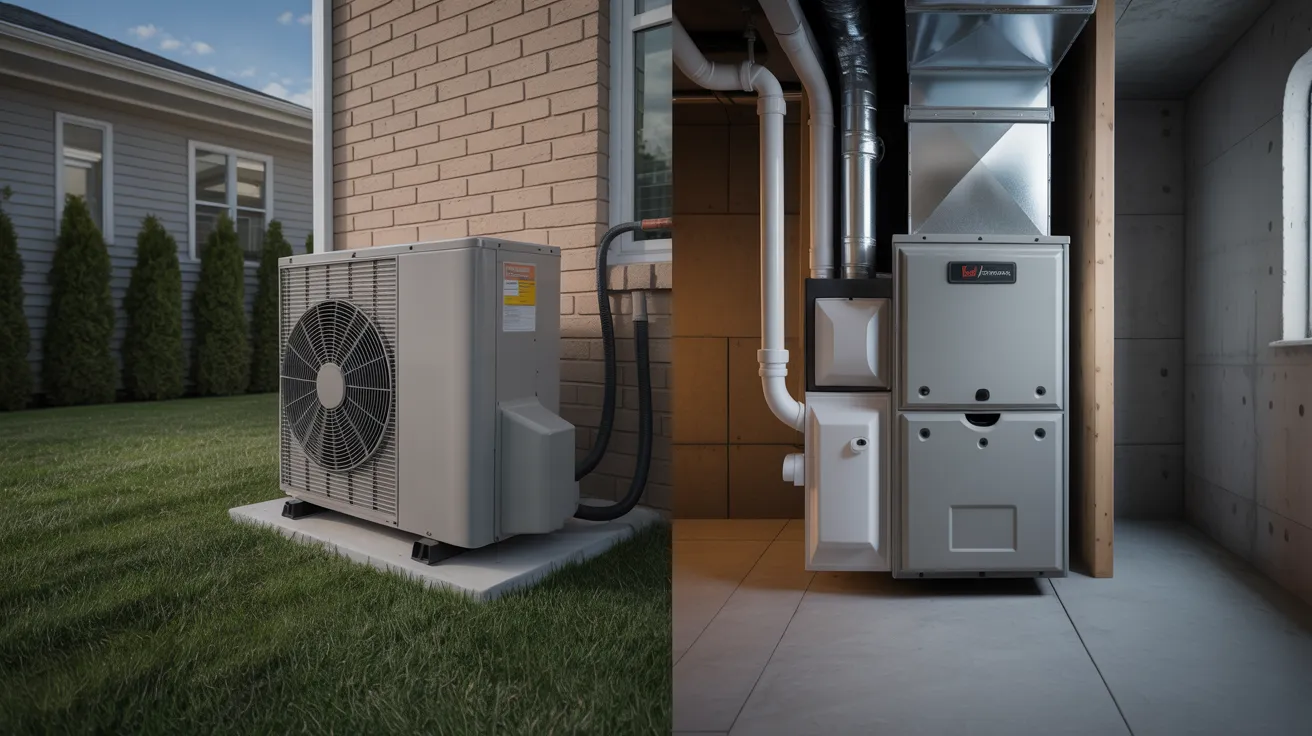
The most effective long-term strategy for Ottawa homeowners is a hybrid system: a cold-climate heat pump paired with your existing gas furnace. The heat pump handles the bulk of heating during milder weather (above −15°C), while the furnace kicks in during extreme cold. This combination can reduce overall heating costs by 30–50% compared to furnace-only heating. With current rebates of up to $7,500, the investment often pays for itself in 3–5 years.
Start With the Quick Wins
You don't need to do everything at once. Start with the low-cost, high-impact items — thermostat programming, filter changes, and sealing air leaks — and plan the bigger upgrades for when your current equipment reaches end of life. Contact Dtech Services for a free home energy assessment and we'll help you prioritize the improvements that will save you the most money.