Thousands of Ottawa-area homeowners still rely on oil-fired furnaces and boilers — a system that's expensive, inefficient, and increasingly impractical as oil prices climb and environmental regulations tighten. If you've been wondering whether it's time to switch, this guide covers everything you need to know about converting from oil heat to a modern cold-climate heat pump.
Why Ottawa Homeowners Are Ditching Oil Heat
Heating oil in Ontario has surged past $1.70 per litre in recent years, and price volatility shows no sign of easing. A typical oil-heated home in Ottawa spends $3,500–$5,000 per heating season. Meanwhile, a properly sized cold-climate heat pump can cut that bill by 40–60%, even factoring in Ontario's time-of-use electricity rates. Beyond cost, there's the maintenance burden: oil systems require annual cleaning, tank inspections, and eventual tank replacement — a liability that can cost $3,000–$5,000 on its own.
How a Cold-Climate Heat Pump Works in Ottawa Winters
Modern cold-climate heat pumps are engineered to operate efficiently down to −25°C and continue producing heat at −30°C. Brands like Mitsubishi Zuba and Fujitsu Halcyon use inverter-driven compressors that modulate output to match the heating load, rather than cycling on and off like traditional systems. During shoulder seasons (October–November, March–May), a heat pump delivers a Coefficient of Performance (COP) of 3.0 to 4.0, meaning you get 3–4 units of heat for every unit of electricity consumed.
What the Conversion Process Looks Like
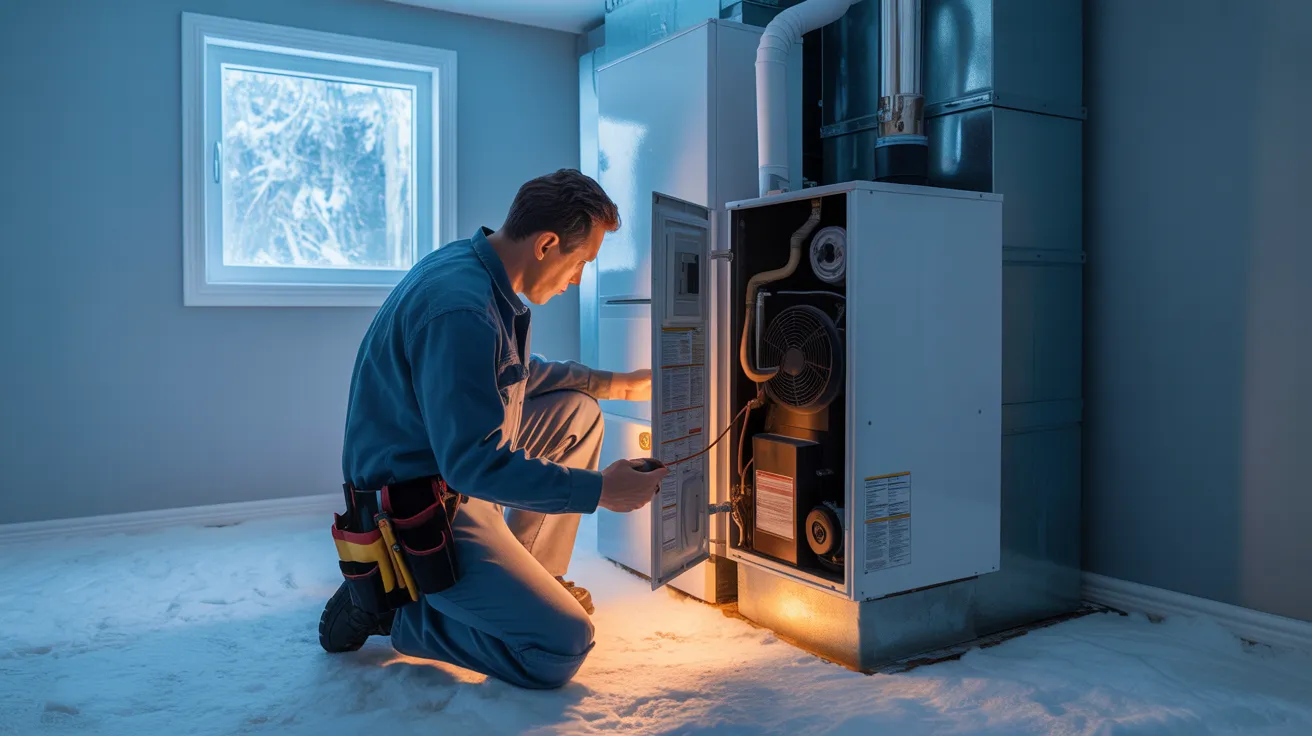
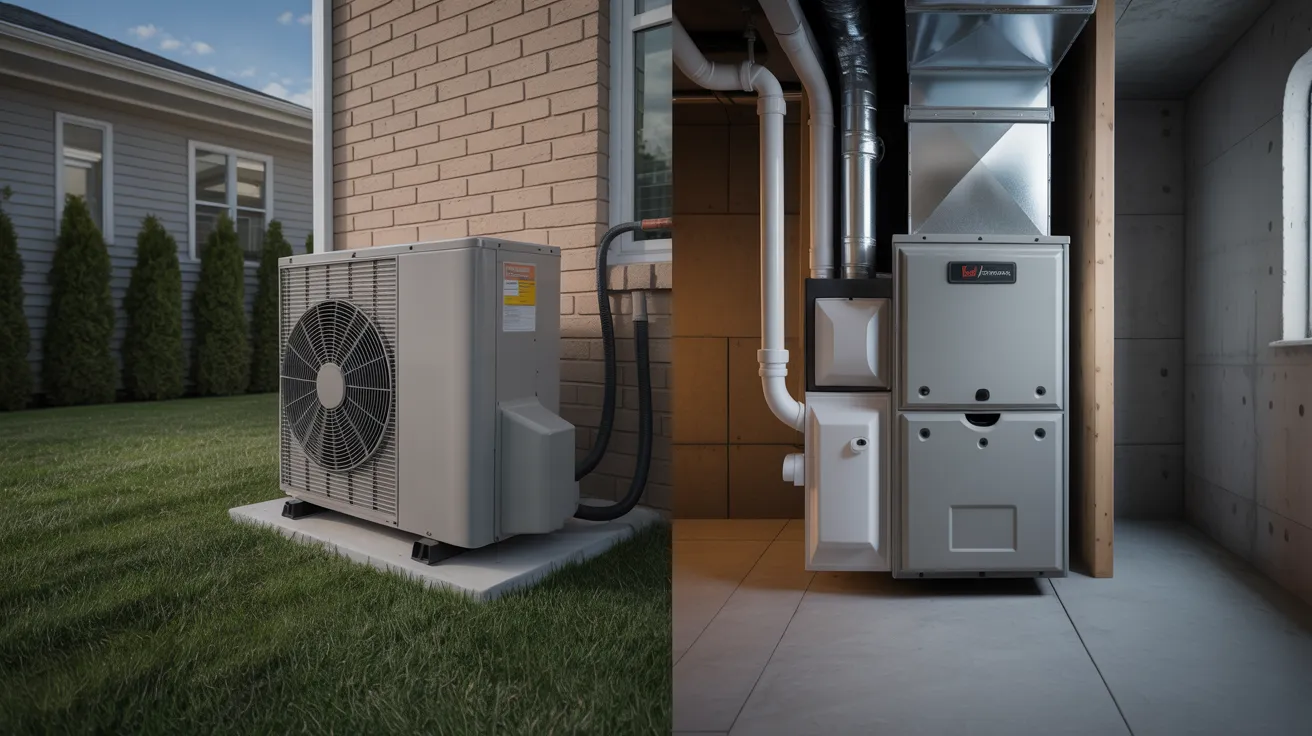
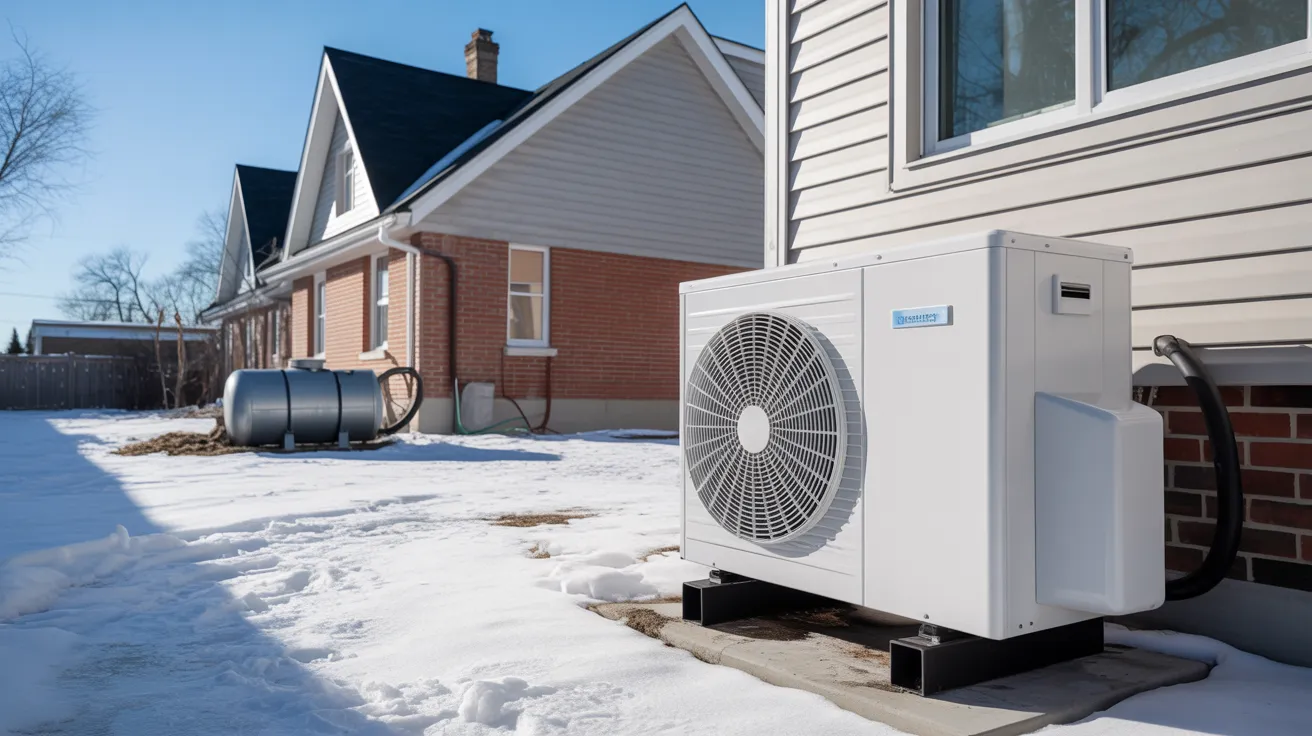
An oil-to-heat-pump conversion typically takes two to three days and involves several steps. First, the existing oil tank is decommissioned and removed according to TSSA (Technical Standards & Safety Authority) regulations. The oil furnace or boiler is disconnected and removed. In most cases, your existing ductwork can be reused with a ducted heat pump system, though a professional should inspect it for leaks and sizing. Electrical panel capacity is assessed — some homes may need a panel upgrade from 100A to 200A to support the new system. Finally, the heat pump outdoor unit is installed and connected to the indoor air handler.
Costs: What to Budget For
Before rebates, a complete oil-to-heat-pump conversion in Ottawa typically ranges from $12,000 to $22,000, depending on system size, brand, and whether electrical or ductwork modifications are needed. Here's a rough breakdown:
- Oil tank removal & decommissioning: $800–$2,000
- Cold-climate ducted heat pump system: $9,000–$16,000
- Electrical panel upgrade (if needed): $1,500–$3,500
- Ductwork modifications (if needed): $500–$2,000
Rebates That Dramatically Reduce Your Cost
Ottawa homeowners converting from oil have access to some of the most generous rebates in Canada. The Canada Greener Homes Grant offers up to $5,000 for cold-climate heat pump installations, and the Home Renovation Savings Program provides up to $7,500 for electrically heated homes making the switch. Combined with the Greener Homes Interest-Free Loan of up to $40,000, the effective out-of-pocket cost can drop to as little as $5,000–$10,000 for a complete conversion.
Real Savings: A Case Study from Gloucester
One of our recent projects in Gloucester involved converting a 1,800 sq. ft. home from an aging oil boiler to a Mitsubishi cold-climate ducted heat pump. The homeowner's annual heating cost dropped from approximately $4,200 (oil) to $1,800 (electricity), saving $2,400 per year. With $10,000 in combined rebates, their net investment was under $8,000 — meaning the system will pay for itself in roughly three years.
Is Your Home a Good Candidate?
Most oil-heated homes in Ottawa are excellent candidates for conversion, especially those with existing ductwork and at least a 100-amp electrical panel. If your oil tank is aging, your furnace is over 15 years old, or you're simply tired of unpredictable oil prices, now is the ideal time to make the switch. Contact Dtech Services for a free on-site assessment and rebate eligibility check.