Your water heater is responsible for roughly 20% of your home's total energy consumption — second only to space heating. If yours is nearing the end of its life (12–15 years for a tank, 20+ for tankless), the replacement decision deserves serious thought. Here's an honest, detailed comparison of tankless and traditional tank water heaters for Ottawa homeowners.
How Tank Water Heaters Work
A conventional tank water heater stores 40–80 gallons of pre-heated water in an insulated tank, keeping it hot 24/7 whether you need it or not. When you open a hot water tap, pre-heated water flows from the tank and cold water enters to replace it. Gas models heat the water with a burner at the bottom; electric models use immersion heating elements. The main advantage is simplicity: tanks are affordable, reliable, and can supply multiple fixtures simultaneously.
How Tankless Water Heaters Work
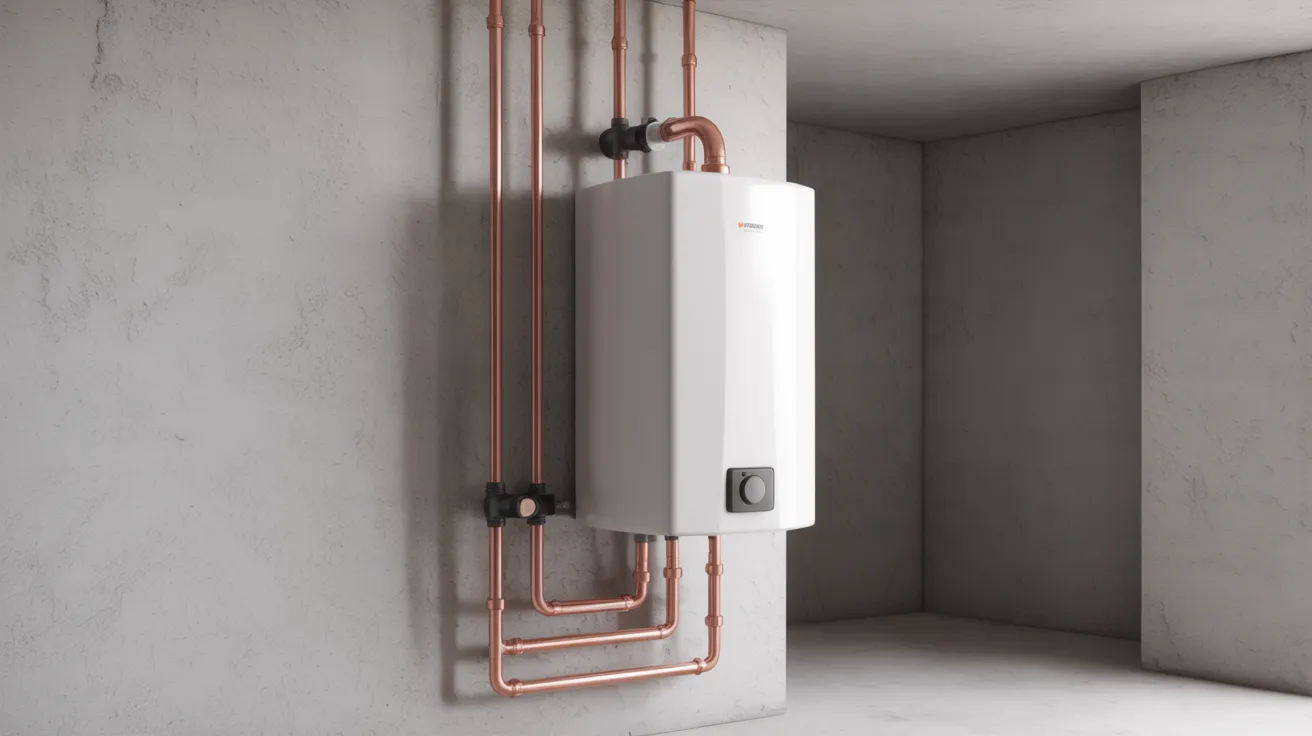
A tankless (or on-demand) water heater heats water only when you turn on the tap. Cold water flows through a heat exchanger and is heated instantly by a powerful gas burner or electric element. There's no stored hot water, which means no standby energy loss. Gas tankless units can deliver 7–10 gallons per minute, while electric models typically handle 2–4 GPM.
Upfront Cost Comparison
This is where the biggest difference lies:
- Tank water heater (50-gallon, gas): $1,200–$2,500 installed
- Tank water heater (50-gallon, electric): $1,000–$2,000 installed
- Tankless water heater (gas): $3,500–$6,000 installed
- Tankless water heater (electric): $2,500–$4,500 installed
Gas tankless units cost more upfront because they typically require upgraded gas lines (from ½" to ¾"), a dedicated venting system (Category III stainless steel vent), and potentially electrical work for the control panel. Electric tankless units may need a panel upgrade and dedicated circuits.
Operating Costs and Efficiency
Tank water heaters lose heat constantly through the tank walls — this "standby loss" accounts for 20–30% of their total energy consumption. A standard gas tank has an Energy Factor (EF) of 0.58–0.67, while a high-efficiency condensing tank reaches 0.80–0.90. Tankless gas units achieve an EF of 0.82–0.98, and because there's no standby loss, they typically save 25–35% on water heating costs compared to a standard tank.
For a family of four in Ottawa, this translates to roughly $150–$300 in annual gas savings with a tankless unit. Electric tankless savings depend heavily on usage patterns and Ontario's time-of-use rates.
Lifespan and Maintenance
A conventional tank water heater lasts 8–12 years on average (less in areas with hard water). An anode rod should be inspected every 2–3 years and the tank flushed annually. Tankless water heaters, properly maintained, last 20–25 years. Annual maintenance includes descaling the heat exchanger (essential in Ottawa, which has moderately hard water) and cleaning the inlet filter. Descaling kits cost $50–$80 for DIY or $150–$250 for professional service.
Hot Water Capacity and Simultaneous Use
A 50-gallon tank can supply about 40 gallons of hot water before running cold (first-hour delivery). That's usually enough for two showers, a dishwasher load, and a sink — but once it's depleted, you'll wait 30–45 minutes for recovery. A tankless unit delivers hot water continuously (it never "runs out"), but it has a maximum flow rate. A typical gas tankless unit provides 7–9 GPM in Ottawa's cold-water conditions (inlet temperature of 5–8°C in winter). That supports 2–3 fixtures simultaneously — enough for most homes, but large families running multiple showers at once may need a second unit or a high-capacity model.
Space and Installation Considerations
Tank water heaters require significant floor space (typically a 2×2 foot footprint) and are usually installed in the basement or utility room. Tankless units are compact and wall-mounted, freeing up valuable floor space. However, gas tankless units need proper venting — either through an existing chimney (if compatible) or a new dedicated vent through the wall.
Which Is Better for Ottawa Homes?
There's no universal answer — it depends on your household:
- Choose a tank if you have a smaller household (1–2 people), want the lowest upfront cost, or have simple plumbing needs.
- Choose tankless if you have a larger household (3+ people), want long-term savings, value continuous hot water, or are renovating and want to reclaim space.
- Consider a hybrid electric (heat pump) water heater if you have an unfinished basement or garage. These units achieve EF ratings above 3.0 and qualify for substantial rebates.
Dtech Services installs and services all types of water heaters. Contact us for a free consultation and we'll recommend the best option based on your household size, usage, and budget.